Sites Prepared for Safe Construction
Land Clearing in Burbank and throughout the Tri-Cities for construction, development, and property improvements
Starting a construction project on a site cluttered with vegetation, debris, and obstacles creates safety hazards and delays that compound throughout the build schedule, so proper clearing establishes a clean, level workspace before any structural work begins. Quality Backhoe Services, Inc operates equipment capable of removing trees, brush, stumps, and accumulated debris efficiently while protecting property boundaries and adjacent structures. Residential lot preparation, commercial site development, and expansion projects all require clearing that accounts for underground utilities, drainage patterns, and access routes for construction vehicles.
The clearing process involves assessing what needs removal, coordinating utility locates to avoid damaging buried lines, using machinery sized appropriately for the site conditions, and disposing of debris in compliance with local regulations. Heavy equipment handles large trees and deep-rooted stumps that manual removal cannot address efficiently, and grading work during clearing can establish preliminary drainage slopes that prevent water from pooling during construction. Projects in the Tri-Cities may encounter varying soil types and vegetation densities that affect equipment selection and clearing timelines.
Submit a service request to schedule site assessment and receive a clearing plan tailored to your project requirements.
What Proper Site Clearing Involves
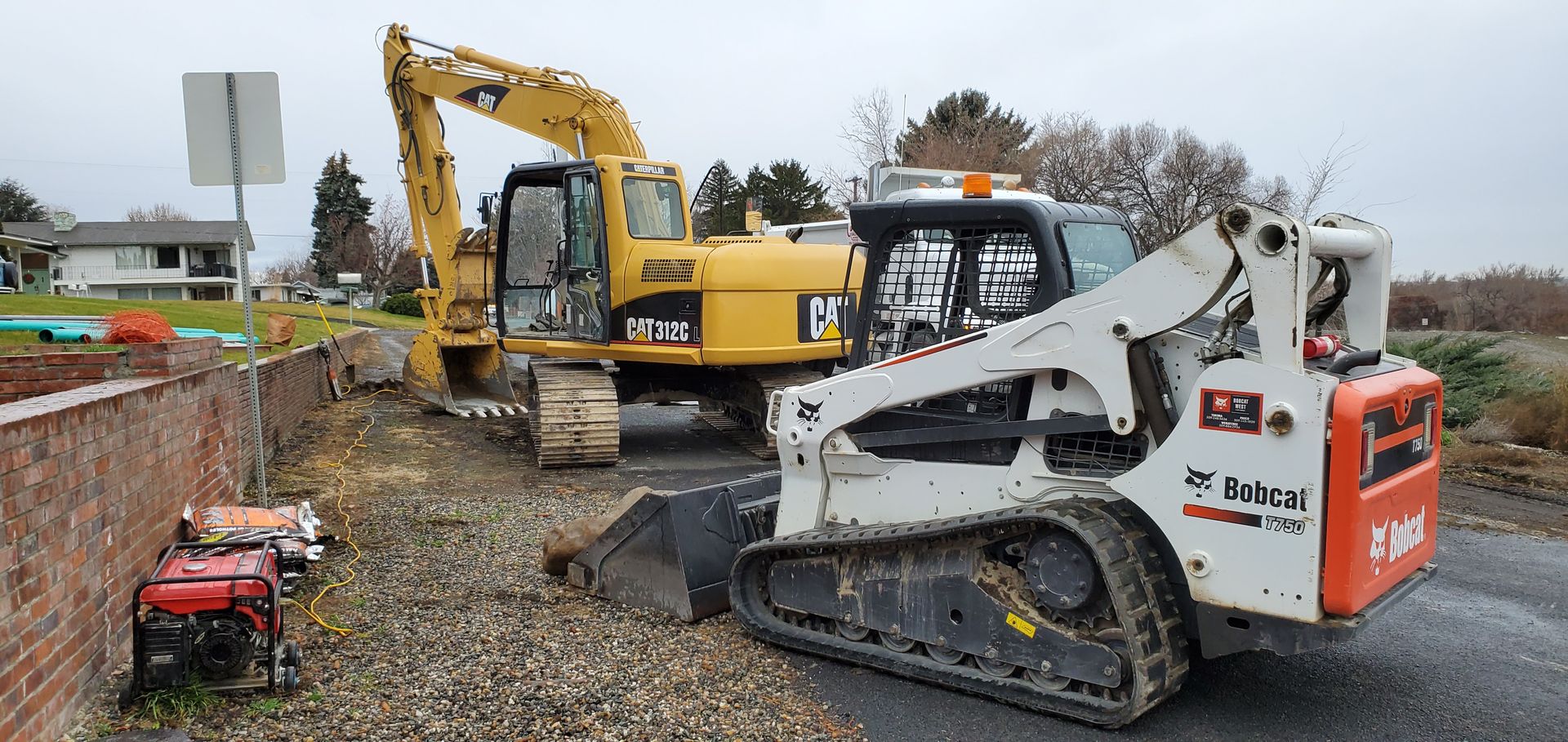
Effective land clearing removes all obstacles that interfere with construction access, equipment operation, and accurate layout of building footprints while preserving features designated for retention. Equipment selection depends on site size, vegetation density, and access constraints, with tracked machines providing stability on slopes and in soft soil conditions. Clearing work establishes defined boundaries and sight lines that allow construction crews to work efficiently without constantly navigating around obstructions.
After clearing is completed, you see unobstructed ground ready for grading, foundation work, and utility installation, with debris removed and the site safe for workers and equipment to move freely. Stakes and markers remain visible, drainage patterns are evident, and contractors can position materials and machinery without improvising around unexpected obstacles. Quality Backhoe Services, Inc coordinates clearing scope with your project timeline to ensure the site is ready when construction crews arrive.
Proper clearing also identifies subsurface conditions such as rock outcroppings or wet areas that may require additional preparation before foundation work proceeds. Residential clearing often preserves mature trees or landscaping elements outside the construction zone, while commercial projects may require complete clearing to property lines for parking and drainage infrastructure. Site management includes controlling dust, managing erosion, and maintaining access routes that remain stable under equipment traffic.
What Property Owners Usually Ask
Land clearing involves equipment decisions and site management practices that affect project success and budget, so understanding the process helps you plan effectively.
What gets removed during typical land clearing?
Clearing removes trees, brush, stumps, roots, accumulated debris, and obstacles that interfere with construction, while features designated for preservation are protected with barriers or markings to prevent accidental damage during equipment operation.
How does clearing differ for residential versus commercial projects?
Residential clearing often works around existing landscaping and preserves trees outside the build area, while commercial projects typically require complete clearing for buildings, parking, drainage systems, and utility corridors that span the entire property.
What happens to debris after clearing is completed?
Vegetation and organic debris are typically hauled to composting facilities or disposal sites that accept green waste, while larger wood pieces may be processed for firewood or mulch depending on tree species and local market conditions in the Burbank area.
Why is utility coordination important before clearing begins?
Underground gas, electric, water, and communication lines must be located and marked before heavy equipment operates, since striking buried utilities causes service interruptions, safety hazards, and expensive emergency repairs that delay the entire project.
When should land clearing be scheduled relative to other construction phases?
Clearing should be completed before any site work begins to provide access for surveying, soil testing, and utility installation, with timing coordinated to minimize the period between clearing and construction start to prevent vegetation regrowth or erosion.
Quality Backhoe Services, Inc handles land clearing for residential, commercial, and development projects with equipment and experience suited to varied site conditions. Contact our office to discuss your clearing requirements and schedule work that prepares your site for construction success.